
Many people struggle to get a good night’s sleep.
Busy schedules, bright screens, late-night snacks, and constant notifications often make it difficult to truly unwind before bed.
Our ancestors faced their own challenges, but one thing they generally had that many of us have lost was a predictable evening routine.
After spending more than 40 years studying traditional wellness practices, I’ve found that cultures around the world shared many of the same bedtime habits. They didn’t rely on sleep gadgets or expensive supplements. Instead, they created simple routines that naturally prepared the body and mind for rest.
While we don’t need to live exactly as our ancestors did, many of these timeless habits are still worth practicing today.
1. They Finished Dinner Earlier
In many traditional cultures, the evening meal was eaten well before bedtime.
This gave the body time to begin digesting food before lying down for the night.
Today, many people eat dinner just an hour or two before bed, sometimes followed by late-night snacks.
If your schedule allows, finishing your last meal a few hours before bedtime may help you feel more comfortable as you settle in for the night.
2. They Ended the Day with Gentle Movement
After dinner, many people continued with light activities instead of immediately sitting down for the rest of the evening.
A short walk through the village, tending a garden, cleaning the kitchen, or caring for animals kept the body gently moving.
Even today, a relaxed walk after dinner can be an enjoyable way to wind down before bedtime.
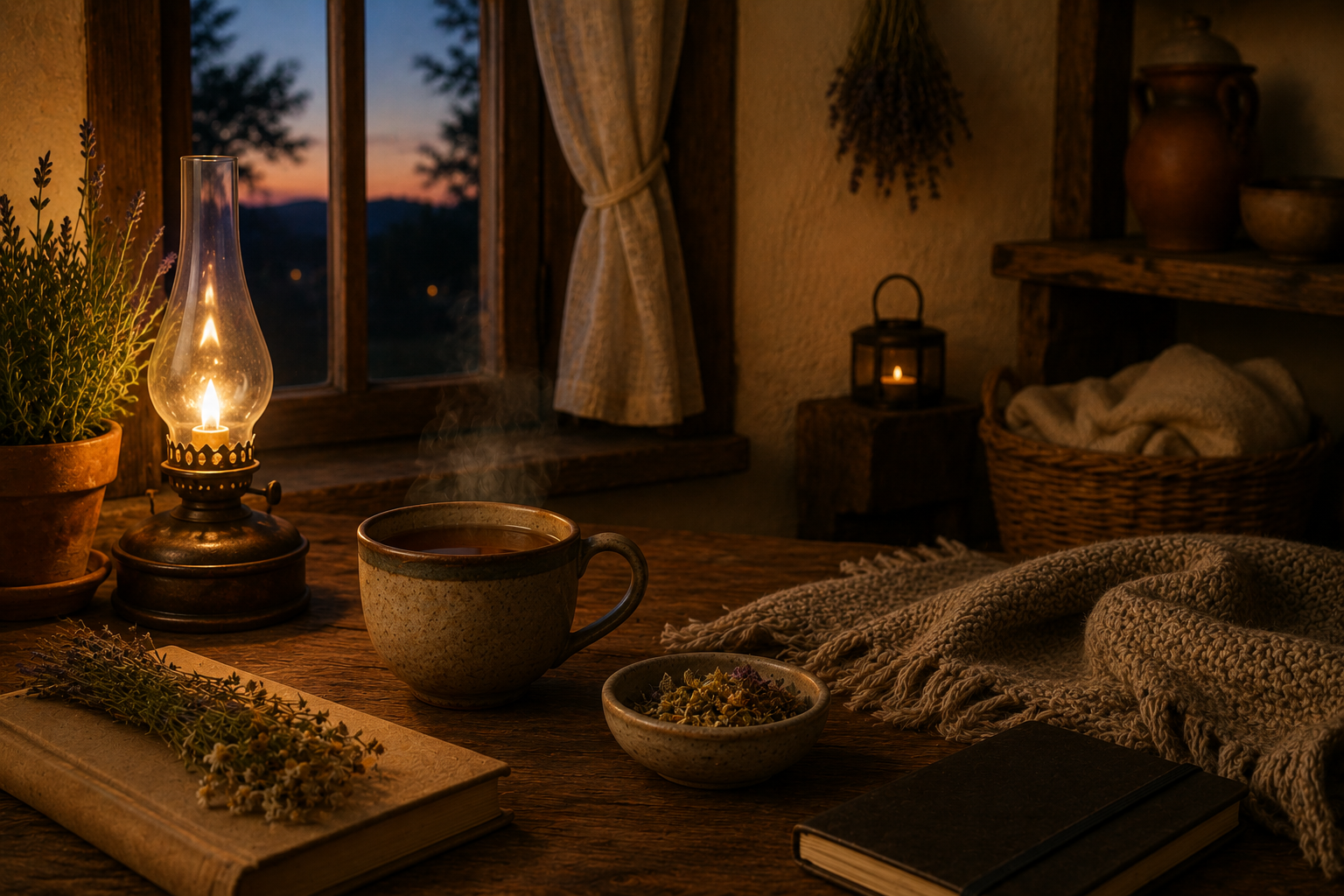
3. They Enjoyed a Warm Herbal Tea
Across many parts of the world, herbal tea became an evening tradition.
Chamomile, lemon balm, lavender, and linden flower were among the herbs commonly brewed as the day came to an end.
While herbal teas are not a cure for sleep problems, the ritual of preparing and slowly enjoying a warm cup can encourage relaxation before bed.
If you choose herbal teas, remember that they can interact with certain medications, so speak with your healthcare provider if you have concerns.
4. Evenings Became Quieter
Without televisions, smartphones, or bright LED lights, evenings naturally slowed down.
Families talked, read, mended clothing, prepared for the next day, or simply rested together.
Today, reducing screen time during the last hour before bed may help create a calmer transition into sleep.
Many experts recommend dimming lights and avoiding stimulating activities close to bedtime.
5. They Went to Bed at a Consistent Time
Traditional life often followed the rhythm of daylight.
People usually woke near sunrise and went to bed not long after darkness fell.
Modern schedules are much more flexible, but maintaining a consistent bedtime and wake time can help support your body’s natural sleep rhythm.
Even on weekends, keeping a regular schedule may improve sleep quality over time.
Good Sleep Begins Long Before Bedtime
Our ancestors understood that a restful night was shaped by the entire day.
They stayed physically active, spent time outdoors, ate nourishing meals, and rarely consumed food or drinks designed to keep them awake late into the evening.
These daily habits naturally supported healthier sleep.
Today, many of those same lifestyle choices remain just as important.
Building Your Own Evening Routine
You don’t need to completely change your lifestyle to benefit from these traditional habits.
Consider trying a few simple practices:
- Finish dinner earlier when possible.
- Take a short walk after your evening meal.
- Replace late-night scrolling with reading or quiet conversation.
- Enjoy a calming herbal tea if it is appropriate for you.
- Keep a consistent bedtime throughout the week.
- Make your bedroom cool, dark, and quiet.
Small routines repeated every evening often have a greater impact than dramatic changes that only last a few days.
Final Thoughts
One lesson I return to often is that our ancestors respected the transition between day and night.
They allowed themselves time to slow down.
Their evenings were not filled with endless notifications, bright screens, or constant stimulation.
Instead, they followed simple routines that helped signal to the body that it was time to rest.
Modern science continues to emphasize the importance of consistent sleep habits, a relaxing bedtime routine, and a healthy lifestyle for quality sleep.
While there is no single habit that guarantees a perfect night’s rest, creating a peaceful evening routine may be one of the most valuable gifts you can give yourself.
Sometimes sleeping better begins long before your head touches the pillow.
Leave a Reply