
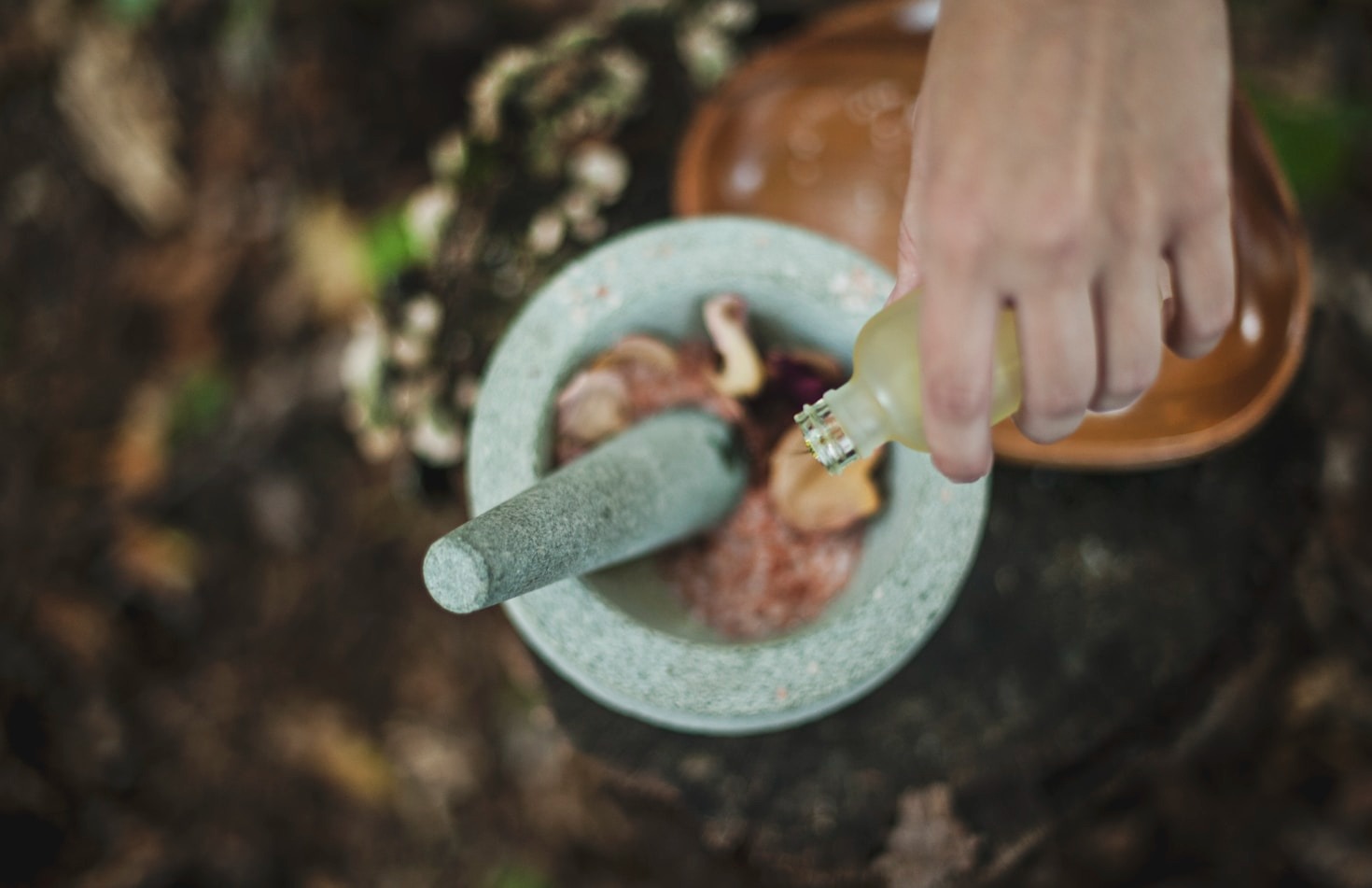
For thousands of years, people have looked to nature for ways to support the body’s natural processes.
One organ that has earned special attention across many traditional healing systems is the liver. Although our ancestors didn’t understand the liver’s biology the way modern medicine does, they recognized its importance to overall health and developed herbal traditions they believed promoted vitality and well-being.
Today, we know the liver performs hundreds of essential functions, including processing nutrients, producing bile for digestion, storing vitamins, and helping the body metabolize medications and other substances.
While no herb can “detox” the liver overnight, a claim you should always be skeptical of, many traditional plants continue to be studied for their potential role in supporting normal liver function as part of a healthy lifestyle.
Here are six of the most well-known.
1. Milk Thistle
Milk thistle has been used throughout Europe for more than 2,000 years.
Its purple flowers and distinctive white-veined leaves made it easy to recognize, and traditional herbalists often recommended it to support liver health.
Today, researchers continue to study milk thistle’s active compounds, particularly silymarin, for their potential effects on liver function. While findings are mixed and more research is needed, it remains one of the most widely recognized herbs associated with liver wellness.
2. Turmeric
Turmeric has been a cornerstone of Ayurvedic cooking and traditional wellness for centuries.
Beyond adding vibrant color to meals, turmeric has long been appreciated for its role in supporting overall health, including digestion and liver function.
Modern research has focused on curcumin, one of turmeric’s naturally occurring compounds, though scientists are still working to better understand its effects in humans.
Adding turmeric to soups, rice, vegetables, or curries is an easy way to enjoy this ancient spice as part of a balanced diet.
3. Dandelion
Many people think of dandelions as weeds, but generations before us viewed them quite differently.
Traditional European herbalists used dandelion leaves and roots in teas and tonics because they believed the plant supported healthy digestion and liver function.
Today, dandelion greens remain a nutritious food, providing vitamins, minerals, and natural plant compounds that fit well into a healthy diet.
4. Artichoke Leaf
Artichokes have been enjoyed around the Mediterranean since ancient times.
While the vegetable itself is nutritious, traditional herbal practices often focused on the leaves, which were believed to support digestion and bile production.
Modern studies continue to investigate artichoke leaf extract for its potential role in digestive comfort, though more high-quality research is needed before firm conclusions can be drawn.
5. Ginger
Ginger appears in traditional healing systems across Asia, the Middle East, and Africa.
Although it’s most commonly associated with digestion, ginger has also been valued as a general wellness herb for centuries.
Its naturally occurring compounds continue to be studied for a variety of health-related properties, making it one of the most researched herbs in modern nutrition science.
6. Schisandra Berry
Schisandra berries have been used in traditional Chinese medicine for centuries.
Often called the “five-flavor berry” because they combine sweet, sour, salty, bitter, and pungent tastes, they have traditionally been associated with supporting endurance, resilience, and liver health.
Researchers continue to explore the unique plant compounds found in schisandra, although more studies are needed to fully understand their effects.
Your Liver Already Knows What to Do
One misconception I often hear is that the liver needs constant “cleansing.”
In reality, a healthy liver is already remarkably efficient at performing its normal functions every single day.
Rather than relying on dramatic detoxes or restrictive cleanses, the most effective way to support your liver is through everyday habits:
- Eat a variety of fruits and vegetables.
- Include plenty of fiber-rich foods.
- Maintain a healthy body weight.
- Stay physically active.
- Limit alcohol consumption.
- Avoid smoking.
- Get adequate sleep.
- Follow your healthcare provider’s guidance when taking medications.
These lifestyle choices have far stronger evidence behind them than any quick-fix detox program.
A Word of Caution
Natural doesn’t always mean harmless.
Some herbs can interact with medications or may not be appropriate for people with certain medical conditions, including liver disease. If you have an existing liver condition, are pregnant, or take prescription medications, speak with your healthcare provider before using herbal supplements.
Final Thoughts
Across cultures and generations, herbs such as milk thistle, turmeric, dandelion, artichoke leaf, ginger, and schisandra have earned a lasting place in traditional wellness practices.
While modern science continues to investigate many of these plants, they are best viewed as part of an overall healthy lifestyle, not as miracle cures or liver “detoxes.”
One lesson I’ve learned after decades of studying traditional wellness is that good health rarely comes from one ingredient.
It comes from the choices we make every day: eating nourishing foods, staying active, getting enough rest, and treating our bodies with patience and consistency.
Sometimes the oldest wisdom reminds us that caring for our health is less about dramatic cleanses—and more about steady, everyday habits.
Leave a Reply