
When people hear the words “heart healthy,” they often think about expensive supplements or complicated diets.
Our ancestors had neither.
Instead, they built their meals around simple, wholesome foods that were available season after season. While they didn’t understand cholesterol or blood pressure the way modern medicine does, many of their traditional eating habits align surprisingly well with what nutrition researchers recommend today.
After more than 40 years studying traditional wellness practices, I’ve come to believe that one of the greatest gifts we can give our hearts is not a miracle ingredient, but a pattern of eating built around real food.
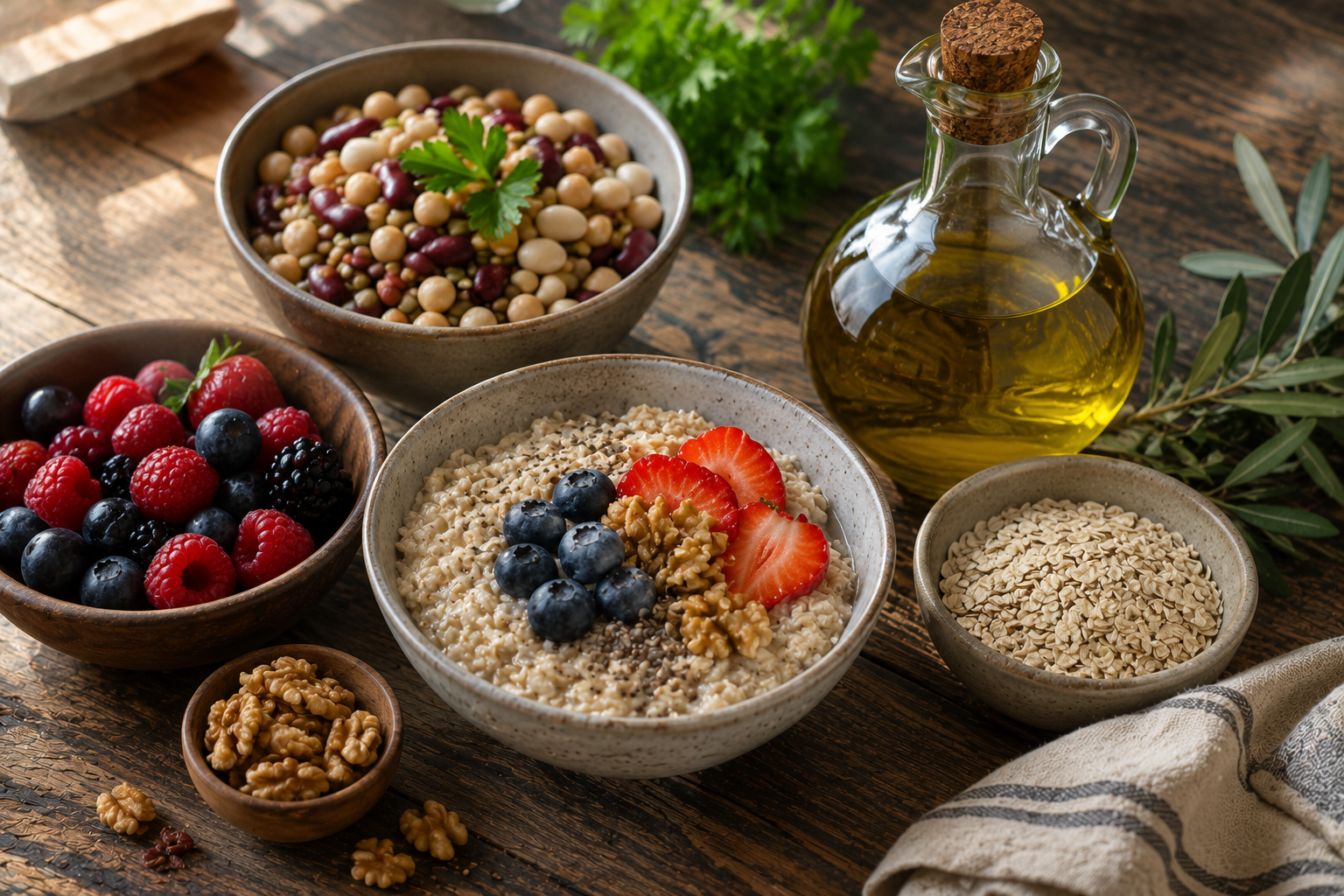
Here are five everyday foods that have stood the test of time.
1. Oats
For generations, oats have been a breakfast staple in many parts of the world.
They are naturally rich in a soluble fiber called beta-glucan, which has been shown to help lower LDL cholesterol as part of a heart-healthy diet.
A warm bowl of oatmeal topped with berries, nuts, or seeds is still one of the simplest and most nourishing ways to begin the day.
2. Beans and Lentils
Beans have nourished families for centuries.
Whether black beans, lentils, chickpeas, or navy beans, legumes are packed with fiber, plant protein, vitamins, and minerals.
Replacing some red or processed meat with beans and lentils can be one way to support heart health while adding more variety to your meals.
They are affordable, satisfying, and incredibly versatile.
3. Walnuts
Nuts have long been valued as convenient, nutrient-rich foods.
Among them, walnuts are especially notable because they provide alpha-linolenic acid, a plant-based omega-3 fatty acid.
Research suggests that regularly eating nuts as part of a balanced diet may help support heart health.
A small handful makes an easy snack or a delicious addition to oatmeal and salads.
4. Berries
Blueberries, strawberries, raspberries, and blackberries have been enjoyed for generations whenever they were in season.
These colorful fruits are rich in fiber and naturally occurring plant compounds called polyphenols.
Eating a variety of fruits and vegetables is consistently associated with better heart health, and berries are an easy way to add both flavor and nutrition to your diet.
5. Olive Oil
For thousands of years, olive oil has been a cornerstone of traditional Mediterranean cooking.
Rather than relying heavily on butter or other solid fats, many families cooked vegetables, legumes, and fish with olive oil.
Extra virgin olive oil contains heart-healthy unsaturated fats and beneficial plant compounds that have been widely studied.
Using it to dress salads or cook vegetables is a simple way to embrace one of the world’s oldest culinary traditions.
It’s the Pattern That Matters
One thing our ancestors understood, even without modern science, was that health came from everyday habits.
They did not rely on one special food.
Their meals often combined vegetables, beans, whole grains, fruits, herbs, healthy fats, and moderate portions of protein.
Today, researchers continue to emphasize that overall dietary patterns have a greater impact on heart health than any single ingredient.
Simple Ways to Eat More Heart Healthy Foods
You don’t need to completely change your diet overnight.
Small changes can make a meaningful difference over time.
Consider trying a few of these ideas:
- Start the day with oatmeal instead of sugary cereal.
- Add beans or lentils to soups, salads, or tacos.
- Snack on a handful of walnuts instead of chips.
- Add berries to yogurt or oatmeal.
- Use extra virgin olive oil in place of some butter or highly processed fats.
These simple habits can fit naturally into everyday life.
Don’t Forget the Rest of the Picture
Food is only one part of supporting a healthy heart.
Traditional cultures also stayed physically active, spent time outdoors, managed daily stress through community and routine, and generally ate fewer highly processed foods.
Today, many of those same habits remain important.
Regular exercise, adequate sleep, avoiding tobacco, managing stress, and following your healthcare provider’s recommendations all play essential roles in heart health.
Final Thoughts
One lesson I return to again and again is that the healthiest diets are often the simplest.
Oats, beans, walnuts, berries, and olive oil are not new discoveries.
They have nourished people for generations.
Modern science continues to confirm many of the benefits of these everyday foods, reminding us that lasting wellness is usually built through consistent choices rather than dramatic changes.
As always, no single food can prevent or treat heart disease. But choosing a variety of wholesome, minimally processed foods as part of a balanced lifestyle is one of the best ways to care for your heart over the long term.
Sometimes the strongest foundation for good health begins with the foods that have quietly sustained families for centuries.
Leave a Reply